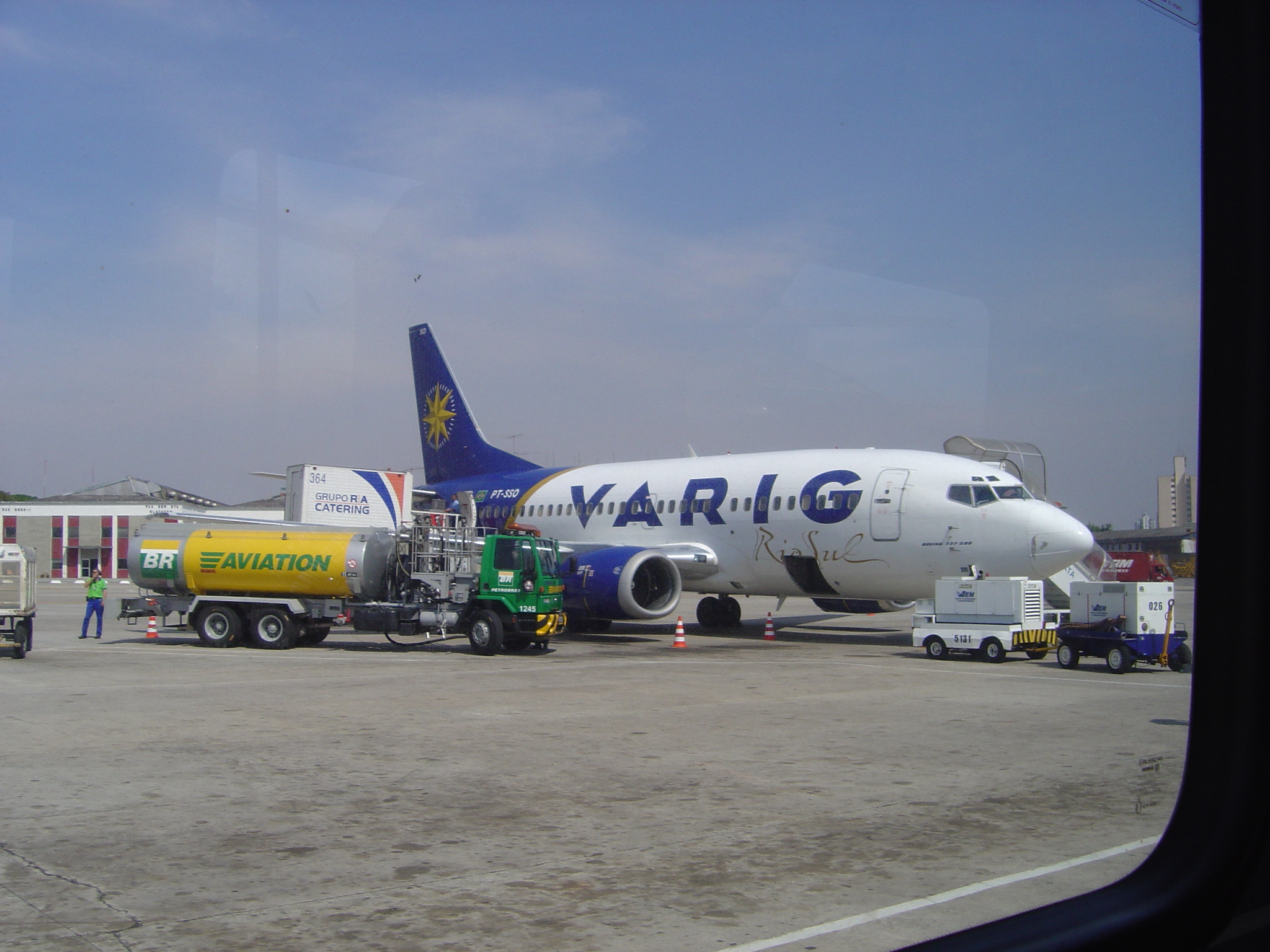
Airplane charter companies have become an integral part of the aviation business, offering versatile and personalized travel choices for each people and businesses. Not like business airways that operate on fixed schedules and routes, charter companies provide bespoke companies that cater to the specific needs of their clients. This report delves into the assorted aspects of airplane charter companies, including their operational models, benefits, challenges, and the way forward for the industry.
Definition and Varieties of Charter Services
Airplane charter providers may be broadly categorized into a number of varieties, including private charters, air taxi providers, cargo charters, and corporate charters. Every type serves completely different buyer needs and markets:
- Private Charters: These are usually used by people or small groups searching for luxurious and comfort. Private charters enable passengers to decide on their departure occasions, routes, and even aircraft varieties.
- Air Taxi Companies: Ultimate for brief-distance travel, air taxi companies supply quick and efficient transport to smaller airports or distant places that are not serviced by commercial airlines.
- Cargo Charters: These providers are important for companies needing to transport goods quickly. Cargo charters can accommodate varied forms of freight, including oversized or delicate gadgets that require special dealing with.
- Corporate Charters: Designed for business travel, corporate charters allow companies to transport staff and clients effectively, often offering amenities equivalent to assembly rooms and Wi-Fi onboard.
Benefits of Chartering an Aircraft
The benefits of using an airplane charter service are numerous:
- Flexibility: Charter companies supply the flexibility to customize travel itineraries, permitting shoppers to depart and arrive at their comfort.
- Entry to Distant Locations: Many charter firms function flights to airports that aren't serviced by commercial airlines, providing access to distant or underserved locations.
- Time Savings: With the ability to bypass lengthy security traces and examine-in processes, chartering an aircraft can considerably scale back journey time.
- Privateness and Consolation: Private charters provide a stage of privateness and comfort that industrial airways can't match, making them ultimate for prime-profile people or enterprise executives.
- Price-Effectiveness for Teams: For larger groups, chartering an aircraft could be extra cost-effective than buying multiple commercial tickets.
Operational Models
Airplane charter companies operate under numerous enterprise fashions, including:
- On-Demand Charter: This is the commonest mannequin, where clients request flights as needed. Here's more regarding Zeroweb visit our website. Pricing is often based on the gap flown, aircraft sort, and different factors.
- Block Charter: In this mannequin, clients purchase a block of flight hours prematurely, providing them with guaranteed entry to aircraft over a specified period.
- Membership Programs: Some charter corporations offer membership programs that present members with discounted rates and other advantages in exchange for an annual payment.
Regulatory Framework
Airplane charter companies are topic to strict rules set by aviation authorities, which fluctuate by country. Within the United States, for instance, the Federal Aviation Administration (FAA) governs charter operations, making certain safety standards and compliance with operational protocols. Charter corporations should get hold of the mandatory certifications and licenses to operate legally, and so they should adhere to rigorous maintenance and security checks.
Challenges Dealing with the Industry
Despite the many benefits, airplane charter companies face a number of challenges:
- Competitors: The rise of fractional ownership and jet card programs has elevated competition in the charter industry, usually leading to decrease revenue margins.
- Financial Fluctuations: The demand for charter providers is intently tied to economic conditions. Throughout economic downturns, companies might reduce again on travel bills, impacting charter companies' revenues.
- Regulatory Compliance: Navigating the complicated regulatory landscape might be challenging and expensive for charter firms, particularly those operating internationally.
- Environmental Considerations: As the aviation business faces increasing scrutiny over its environmental impact, charter companies must discover methods to operate sustainably and scale back their carbon footprint.
The future of Airplane Charter Companies
The way forward for airplane charter companies appears promising, driven by several trends:
- Technological Advancements: Improvements resembling online booking platforms and cellular apps have made it simpler for purchasers to access charter services. Moreover, developments in aircraft technology are resulting in more environment friendly and environmentally friendly options.
- Increased Demand for Customized Travel: As shoppers more and more search customized experiences, the demand for charter services is expected to develop. This development is particularly evident amongst affluent travelers and companies searching for tailor-made solutions.
- Sustainability Initiatives: Many charter companies are investing in sustainable practices, including carbon offset packages and the use of other fuels, to address environmental issues and appeal to eco-conscious clients.
- Market Expansion: Emerging markets, significantly in Asia and Africa, present vital progress opportunities for charter firms. As these regions develop economically, the demand for private and company travel is expected to rise.
Conclusion
Airplane charter companies play a significant role in the aviation panorama, providing flexibility, consolation, and efficiency that conventional airlines typically cannot match. Regardless of facing challenges comparable to competition and regulatory hurdles, the business is poised for growth, pushed by technological developments and an rising demand for personalized travel experiences. As the market evolves, charter firms must continue to innovate and adapt to satisfy the altering wants of their clients while addressing environmental issues. The way forward for airplane charter companies appears vibrant, with ample opportunities for those prepared to embrace change and put money into sustainable practices.