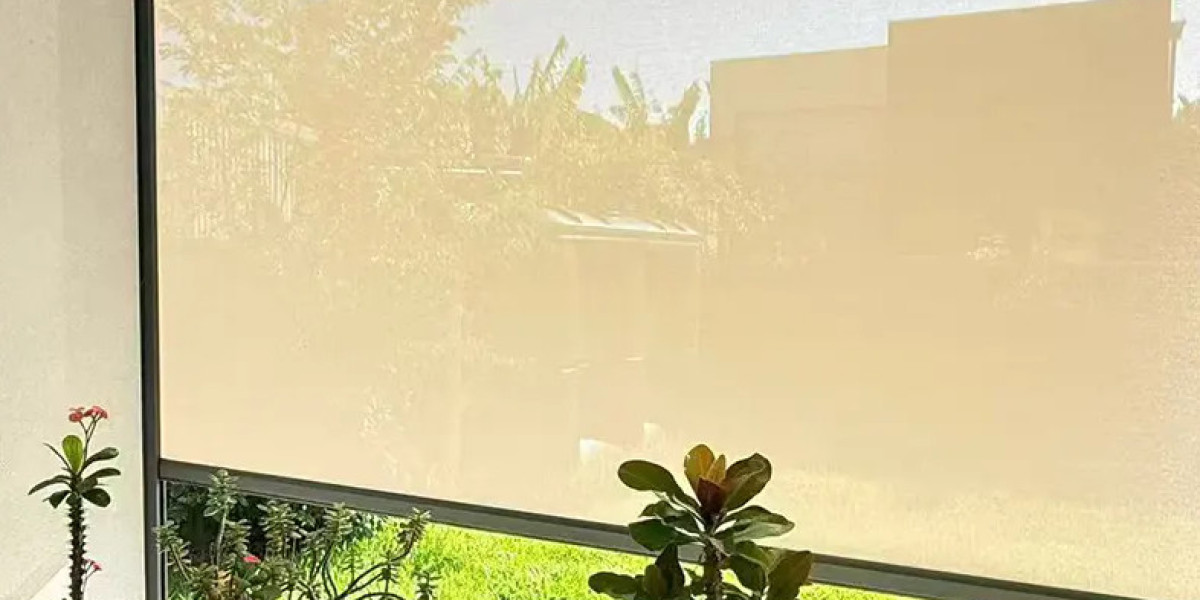

Commercial outdoor spaces need shading solutions that suit their surroundings and daily use. A restaurant terrace, hotel balcony, office window, or retail entrance may have different expectations for sunlight control, privacy, and weather protection. When evaluating a Zip Screen, buyers should look beyond its appearance and understand how its functional features relate to the intended application.
Fabric Selection and Light Control
Fabric is an important part of an outdoor screen system because it influences how sunlight enters a space and how people experience the surrounding environment.
Different fabric options can provide different levels of light filtering and visibility. Some are designed to reduce direct sunlight while maintaining a view of the outdoors, while others may offer greater visual separation.
For commercial projects, the right choice depends on the space's purpose. Restaurants may want to maintain a connection between indoor and outdoor seating areas. Offices may need to reduce glare around workspaces, while hotels may prioritize guest comfort and privacy.
Buyers should review fabric samples and discuss their intended application with the supplier. Considering how the material looks under natural light can help project teams make a more informed selection.
Managing Sunlight and Glare
Direct sunlight can affect both indoor and outdoor comfort. In commercial buildings, excessive glare may interfere with working activities, customer experiences, and the use of display areas.
A suitable screen system can help manage sunlight by reducing direct exposure around windows and outdoor openings.
However, the required level of light control varies between projects. An office meeting room may have different requirements from a restaurant terrace or hotel lounge.
Buyers should consider the direction of sunlight, the surrounding building layout, and the activities taking place in each area. This information can help suppliers recommend fabric options that better match the intended use.
It is also worth considering how much natural light should remain available. A shading solution should support the space rather than make it unnecessarily dark or disconnected from its surroundings.
Privacy and Outdoor Visibility
Privacy is another important consideration for commercial properties. Hotels, restaurants, office buildings, and shared outdoor facilities may all need different levels of visual separation.
The selected screen fabric can influence how easily people can see through the product. Buyers should therefore consider whether the project requires an open view, partial privacy, or greater visual screening.
For a hotel balcony, privacy may be important because of nearby buildings or shared outdoor areas. A restaurant may prefer a more open atmosphere while creating a degree of separation from surrounding pedestrian areas.
Office projects may also require different arrangements for meeting rooms and common spaces.
Buyers should review the balance between privacy and visibility before confirming the product. The surrounding environment and expected use should guide the decision.
Ventilation and Air Movement
Outdoor comfort is not determined by sunlight alone. Air movement can also influence how people use terraces, patios, and other semi-outdoor areas.
When selecting a screen system, buyers should consider how the product affects ventilation and the relationship between enclosed and open spaces.
Different fabric structures and installation arrangements may influence airflow and visibility. The appropriate option depends on the project's requirements and the level of enclosure expected.
For restaurant and hospitality projects, maintaining a comfortable outdoor atmosphere can be particularly relevant. Office developments may also need to consider how screen placement affects air movement around balconies and outdoor meeting areas.
It is advisable to discuss these factors with the supplier instead of assuming that all fabric options provide the same ventilation characteristics.
Weather Protection for Outdoor Applications
Outdoor products are exposed to changing environmental conditions. Sunlight, rain, humidity, and wind may all influence how a shading system is used and maintained.
For projects where additional rain protection is required, buyers may consider a Waterproof Zip Screen. However, the term waterproof should not be treated as a guarantee that every product can withstand all weather conditions.
Buyers should ask the manufacturer about the product's intended applications, weather-related limitations, and recommended operating conditions. They should also understand whether the screen is designed primarily for sunlight control, rain protection, or a combination of functions.
Wind exposure deserves particular attention. Open terraces and exposed building facades may experience different conditions from sheltered courtyards. Project teams should review the installation environment and follow the manufacturer's guidance on suitable use.
Ease of Operation and Daily Convenience
Commercial shading systems may be used by property managers, restaurant staff, hotel employees, or building occupants. Their operation should fit the way the space is managed.
Buyers should consider how the system is controlled and whether its operation is suitable for the intended users. A product installed in a frequently used restaurant area may have different operating requirements from one used mainly around office windows.
It is also useful to discuss whether the system can be integrated with the property's existing management arrangements. Clear operating instructions can help staff understand how to use the product appropriately.
Ease of operation should be considered alongside maintenance needs and access to relevant components.
Maintenance and Long-Term Appearance
Regular care helps commercial properties maintain a clean and presentable appearance. Outdoor screens may collect dust, leaves, and other environmental residue over time.
Buyers should ask about suitable cleaning methods and whether particular cleaning products or tools should be avoided. They should also understand how to inspect visible components and identify signs that may require professional attention.
For properties with multiple installations, maintenance planning can help facility management teams organize routine work more efficiently.
The choice of fabric and the surrounding installation environment should both be considered when reviewing maintenance requirements.
Matching Features With Project Priorities
Not every commercial project requires the same combination of features. Some buyers may prioritize sunlight control, while others focus on privacy, ventilation, or weather-related considerations.
A useful approach is to identify the main purpose of each installation area before comparing product options. Buyers can then discuss fabric selection, operating arrangements, and environmental suitability with potential suppliers.Businesses evaluating Zip Screen products for commercial projects can explore available shading solutions and discuss application requirements at https://www.suncgroup.com/.






